Medical Pedicure vs. Salon Pedicure: What's the Difference?
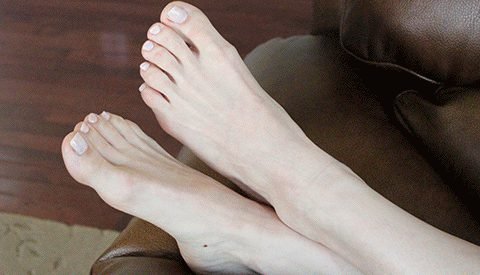
A pedicure can be a relaxing treat, but for many people it is also an important part of keeping feet healthy. Medical pedicures have become popular as a safer alternative to traditional salon pedicures, particularly for people with diabetes, circulation problems or nail conditions. So what exactly is a medical pedicure, and how is it different from what you get at a nail salon? This guide explains the key differences and helps you decide which option suits you.
What is a salon pedicure?
A typical salon pedicure focuses on appearance and relaxation. It usually includes a foot soak, nail trimming and shaping, cuticle care, exfoliation, callus smoothing, a massage and polish. Many salons provide a pleasant experience, and for healthy feet a well-run salon can be perfectly fine. However, practices vary from one salon to another, and nail technicians are trained in cosmetic care rather than medical foot care.
What is a medical pedicure?
A medical pedicure is performed in a medical setting by a technician trained in proper foot and nail care, with an emphasis on hygiene, safety and the health of the foot. It still includes many of the elements people enjoy, such as nail trimming and shaping, smoothing of rough skin and a polish, but it is delivered with medical-grade infection control and an understanding of foot conditions.
Key differences
Hygiene and sterilization
This is the biggest difference. In a medical pedicure, metal instruments are medically sterilized between clients, and single-use items such as files, buffers and gloves are discarded after each use. At Foot & Ankle Specialists of South Jersey, instruments are medically sterilized and files, buffers and gloves are discarded after every pedicure to guarantee safety and hygiene.
Training and medical oversight
Medical pedicures are performed by a technician trained in medical nail care, within a podiatry practice. If the technician notices something concerning, such as an ingrown nail, a wound, signs of infection or a suspicious nail change, it can be brought to the attention of a podiatrist rather than simply polished over.
Safer handling of calluses and cuticles
Aggressive callus shaving and cuticle cutting can break the skin and create an entry point for infection. Medical pedicures take a more conservative approach to protect the skin.
Water and foot baths
Whirlpool foot spas can be difficult to clean thoroughly. Many medical settings avoid shared whirlpool tubs or use methods designed to minimize infection risk.
Products
Medical pedicures may use products chosen with nail health in mind. Our practice uses Dr.'s REMEDY Enriched Nail Care, and all polishes are free of formaldehyde, camphor, toluene and DBP.
What happens during a medical pedicure?
While every visit is tailored to the person, a medical pedicure typically follows these steps:
- A quick look at your feet: the technician checks the skin and nails and asks about any health conditions, such as diabetes or circulation problems.
- Cleansing: feet are cleaned in a hygienic way that minimizes infection risk.
- Nail care: nails are trimmed straight across, thinned if they are thick and gently shaped to discourage ingrown edges.
- Skin care: rough skin and calluses are smoothed conservatively, without razors, to protect healthy skin.
- Massage and moisturizing: a relaxing massage and moisturizer help soothe tired feet and prevent dry, cracked heels.
- Polish, if desired: using polishes chosen with nail health in mind.
If anything unusual is noticed along the way, you can be referred to a podiatrist for evaluation.
Who benefits most from a medical pedicure?
Anyone can enjoy a medical pedicure, but it is especially recommended for:
- People with diabetes: reduced sensation and slower healing mean a small nick can turn into a serious wound. Our diabetic foot care checklist explains why careful nail care matters.
- People with poor circulation or on blood thinners: who may heal more slowly or bleed more easily.
- Anyone with fungal or thickened nails: who want nail care without the risk of spreading infection. See toenail fungus treatment options.
- People prone to ingrown toenails: who benefit from proper trimming technique. Read our ingrown toenail guide.
- Older adults: who may have difficulty reaching or trimming their own nails.
- Anyone with a weakened immune system: for whom infection control is particularly important.
Services offered at our practice
Medical pedicures at Foot & Ankle Specialists of South Jersey are performed by Leza A. Davis, Certified Medical Nail Technician, at our Medford location and the Regenerative Health & Wellness Center in Voorhees. Services listed on our medical pedicure page include:
- Classic and mini pedicures
- Foot massage using traditional therapeutic techniques and acupressure to relax muscles and relieve tension, in 25- and 50-minute sessions
- Ingrown toenail correction, in which the toenail is gently straightened and lifted to reduce pressure
- KERYflex nail restoration, a cosmetic system that restores the appearance of damaged toenails
Current prices are listed on that page; some prices are subject to change, so please check with the office for the latest information.
Tips for a safer salon visit
If you prefer a salon pedicure and your feet are healthy, a few precautions reduce risk:
- Choose a clean, licensed salon and ask how instruments are cleaned and sterilized.
- Consider bringing your own tools.
- Skip the pedicure if you have cuts, scrapes, bug bites or recently shaved legs.
- Ask the technician not to cut your cuticles or use razors on calluses.
- Make sure nails are trimmed straight across rather than rounded deeply at the corners.
If you have diabetes, neuropathy, poor circulation or a nail infection, a medical pedicure or podiatric nail care is the safer choice.
Caring for your feet between pedicures
- Wash and dry feet daily, especially between the toes.
- Moisturize the heels and soles to prevent cracking.
- Trim nails straight across with clean clippers.
- Wear well-fitting shoes and moisture-wicking socks.
- Check your feet regularly for changes in skin or nails.
The bottom line
A salon pedicure focuses on looks and relaxation, while a medical pedicure adds sterilized instruments, single-use supplies and the backing of a podiatry practice. For people with health conditions affecting their feet, that difference can matter a great deal. To book a medical pedicure or ask about nail services, find the right office on our locations page.
Talk with a South Jersey foot and ankle specialist
Medical pedicures, foot massage and corrective nail services are available at our Medford location and the Regenerative Health & Wellness Center in Voorhees.
This article is for general educational purposes and does not replace a diagnosis or treatment plan from a qualified healthcare provider. If you have a medical emergency, call 911.