Diabetic Foot Care: A Daily Checklist to Protect Your Feet
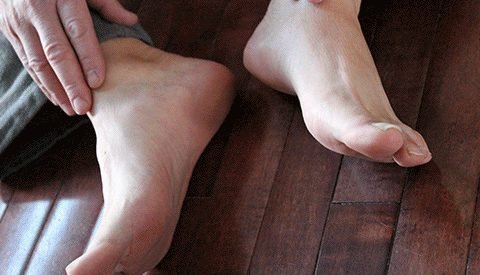
Diabetes affects much more than blood sugar. Over time it can damage the nerves and blood vessels that serve your feet, which means a small blister or cut can go unnoticed and heal slowly. That combination is why foot problems are among the most serious complications of diabetes, and why daily foot care is one of the most effective ways to prevent them. The routine below takes only a few minutes and can make a real difference.
Why diabetes puts your feet at risk
Two changes do most of the damage. The first is peripheral neuropathy, nerve damage that reduces feeling in the feet. Without normal sensation, you may not notice a pebble in your shoe, a burn from hot water or a rubbing seam until a wound has formed. The second is reduced circulation. When blood flow to the feet is limited, injuries heal more slowly and infections are harder to fight. Diabetes can also cause dry, cracked skin and changes in foot shape that create new pressure points.
The goal of daily care is simple: find small problems while they are still small, and avoid creating new ones.
Your daily diabetic foot care checklist
1. Inspect both feet every day
Look at the tops, bottoms, sides, heels and between the toes of both feet in good light. You are looking for:
- Cuts, scratches, blisters or cracks in the skin
- Redness, warmth or swelling
- Calluses, corns or areas of thick skin
- Changes in toenails, including ingrown edges or discoloration
- Any drainage on your socks
If it is hard to see the bottoms of your feet, use a hand mirror or ask a family member to help. Many people find it easiest to make inspection part of a set routine, such as right after a shower or before bed.
2. Wash and dry carefully
Wash your feet daily with lukewarm water and mild soap. Test the water temperature with your elbow or a thermometer rather than your feet, because reduced sensation can make it hard to tell when water is too hot. Dry gently but thoroughly, especially between the toes, where moisture can lead to fungal infections and skin breakdown.
3. Moisturize, but not between the toes
Apply a thin layer of moisturizer to the tops and bottoms of your feet to prevent dry, cracked skin. Avoid putting lotion between the toes, since extra moisture there can encourage infection.
4. Care for toenails safely
Trim nails straight across and gently smooth sharp edges with a file. Do not cut into the corners or dig at ingrown edges. If your nails are thick, curved or hard to reach, or if you have significant neuropathy or circulation problems, routine nail care by a podiatrist is the safer choice. Our practice provides routine nail care and foot inspections as part of diabetic foot care.
5. Never treat corns or calluses yourself
Avoid razor blades, medicated corn pads and over-the-counter acids. These can burn or cut the skin and create wounds that are slow to heal. A podiatrist can safely reduce thick skin and address the pressure that is causing it.
6. Check your shoes and socks before putting them on
Run your hand inside each shoe to feel for stones, rough seams or anything that could rub. Wear clean, dry socks without tight elastic bands, and choose seamless or padded diabetic socks if seams irritate your skin.
7. Protect your feet at all times
Wear shoes or protective slippers indoors and outdoors, including at the beach and around the pool. Avoid heating pads and hot water bottles on your feet, and protect feet from very cold weather.
Choosing the right footwear
Shoes should fit well from the moment you try them on. Look for a roomy toe box, a cushioned sole and soft uppers without stiff seams. Shop later in the day, when feet are slightly larger, and break new shoes in gradually while checking your feet for red spots. Some patients benefit from therapeutic shoes and custom orthotics that redistribute pressure away from vulnerable areas; these are among the diabetic services offered at our offices.
Habits that protect your feet long term
- Work with your care team on blood sugar control. Steady glucose levels support nerve health and healing.
- Do not smoke. Smoking narrows blood vessels and further reduces circulation to the feet.
- Stay active. Regular walking or other exercise approved by your doctor supports circulation.
- Keep blood flow moving. Wiggle your toes and move your ankles during long periods of sitting, and avoid crossing your legs for long periods.
- Schedule regular foot exams. People with diabetes should have their feet examined by a healthcare professional at least once a year, and more often if they have neuropathy, circulation problems or a history of wounds.
Warning signs that need prompt attention
Contact a podiatrist promptly if you notice any of the following:
- A cut, blister or sore that is not improving within a day or two
- Redness, warmth, swelling or drainage, which can signal infection
- A change in skin color, especially a pale, blue or dark appearance
- New numbness, tingling, burning or pain
- An ingrown toenail or a toenail that becomes thick and painful
- A change in the shape of the foot, or a warm, swollen foot without a clear injury
Seek emergency care for signs of a spreading infection, such as fever, chills or rapidly spreading redness. Early treatment of a foot wound is critical; our article on diabetic foot ulcers and wound care explains why.
How a podiatrist helps
A diabetic foot evaluation typically includes checking sensation, circulation, skin, nails and foot structure, and reviewing your footwear. Based on the results, your podiatrist can recommend how often you should be seen, provide routine nail and callus care, prescribe protective footwear or orthotics, and treat problems before they become serious. Because circulation problems often accompany diabetes, non-invasive vascular testing may also be recommended; see our guide to peripheral arterial disease warning signs.
A few minutes of daily attention and regular professional care are the best protection for your feet. If you have diabetes and have not had a foot exam recently, consider scheduling one at any of our South Jersey offices.
Talk with a South Jersey foot and ankle specialist
If foot or ankle symptoms are affecting your daily life, an in-person evaluation is the best next step. Our podiatric physicians see patients at offices across South Jersey.
This article is for general educational purposes and does not replace a diagnosis or treatment plan from a qualified healthcare provider. If you have a medical emergency, call 911.